
AI Site Intelligence for Critical Infrastructure
Argos from VigilanteX gives operators of critical infrastructure a way to deploy 24/7, AI‑enabled monitoring anywhere. With satellite‑backed connectivity and field‑proven hardware, you can detect intrusions, monitor activity, and document incidents across your portfolio without building a new tower at every site.
Featured by Starlink for AI-powered site intelligence in connectivity-constrained environments.
What is Argos for critical infrastructure operators?
Argos is a mobile, solar‑powered AI surveillance platform engineered to withstand harsh environments and provide continuous monitoring of substations, plants, yards, and remote facilities augmenting your existing security systems and guard force.
How is Argos different from traditional fixed cameras?
Fixed cameras are tied to one location and require power, connectivity, and construction. Argos arrives as a self‑contained unit power, cameras, AI, and connectivity in one trailer that can be redeployed as risks and projects shift.
What types of threats can Argos help detect?
Argos helps detect perimeter breaches, after‑hours vehicle and foot traffic, loitering near restricted areas, suspicious activity around gates or equipment, and unsafe behaviors that could impact safety and uptime.
Can Argos operate where we have poor or no cell coverage?
Yes. Argos is designed to work with Starlink, so you can monitor remote sites where traditional connectivity is unreliable or non‑existent.
Why AI‑powered monitoring is becoming essential
Critical infrastructure faces increasing physical risk from theft and vandalism to sabotage and insider threats while regulatory and uptime expectations continue to rise.
-
Expanding attack surface – More remote sites, more distributed assets, more complex perimeters.
-
High consequence of failure – Incidents can mean outages, environmental damage, regulatory scrutiny, and reputational harm.
-
Limited on‑site staff – Many sites are unstaffed or visited infrequently; traditional patrols can’t see everything.
-
Regulatory pressure – Operators must demonstrate that they understand and are mitigating physical security risk.
Argos adds continuous coverage and detection where humans and legacy systems can’t.
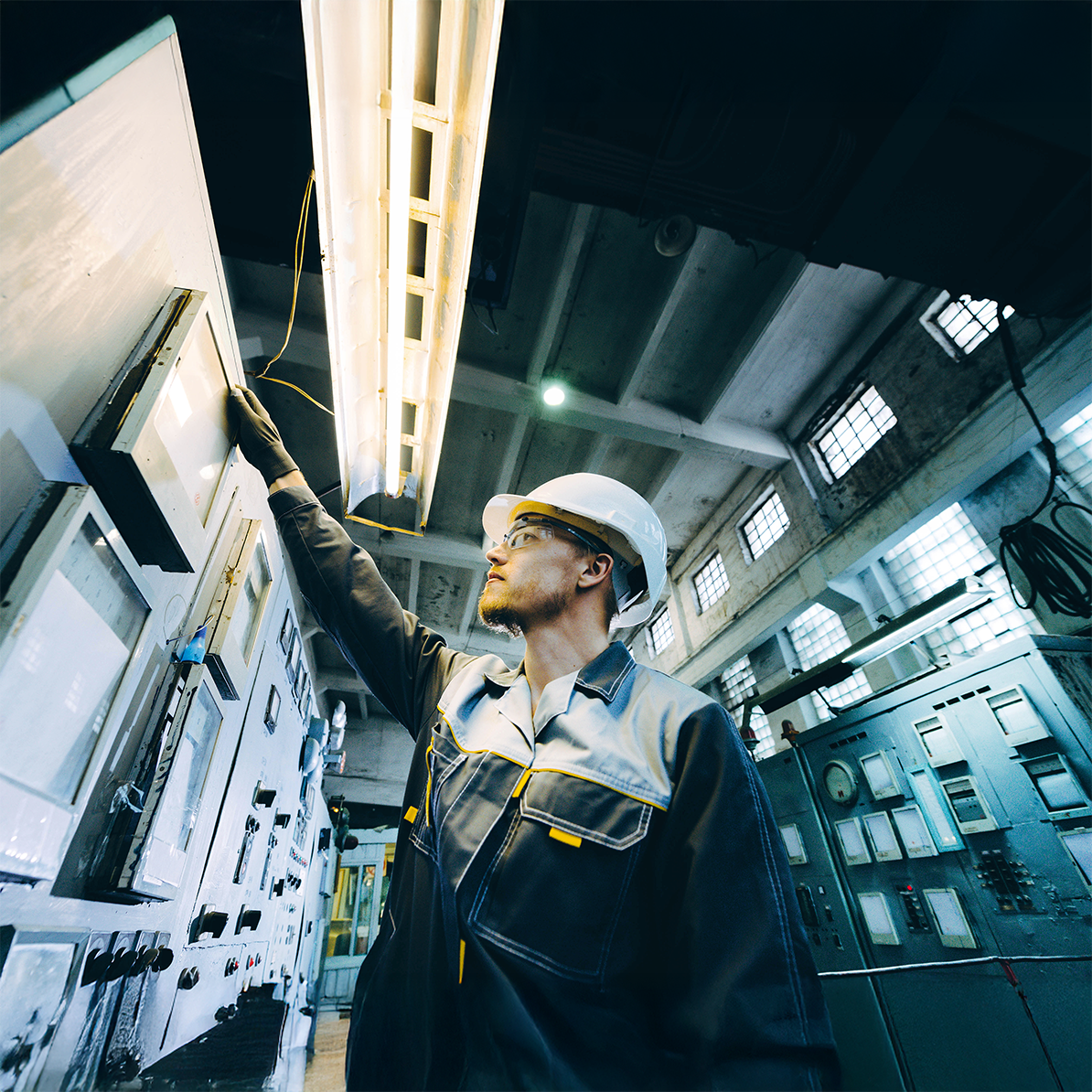

Where Argos protects critical infrastructure
Any high‑value asset that’s hard to staff or hard to wire.
Use cases:
Electric substations & generation sites
Monitor fences, gates, transformers, and control buildings; detect intrusions and unusual activity quickly.Water treatment & wastewater facilities
Protect tanks, basins, chemical storage, and remote pump stations; flag unauthorized access or tampering risks.Oil, gas & pipeline assets
Secure tank farms, compressor stations, and pipeline yards; document contractor and vendor access.Telecom & data facilities
Watch remote cell towers, POP sites, and edge data centers; provide video verification when alarms trigger.Transportation hubs & yards
Support rail yards, ports, airports, and logistics facilities with flexible, relocatable coverage that moves as infrastructure or risk patterns change.
Built to stay online when everything else can’t
Key points:
Rugged, weather‑resistant design for extreme temperatures and harsh conditions.
Solar + battery power for sustained off‑grid operation.
High‑resolution day/night cameras for clear evidence in low‑light conditions.
Secure cloud platform for storage, access control, and audit trails.
API and integration options to work alongside your existing VMS, access control, and SOC tools.
Your existing security stack stays in place, Argos fills the gaps and adds mobility.
FAQ for critical infrastructure operators
How many Argos units do we need per site?
It depends on your layout, risk profile, and coverage goals. Some operators secure a small substation with a single unit; more complex facilities may use multiple units or combine Argos with fixed cameras.
Can Argos tie into our existing security operations center?
Yes. Argos video and alerts can be routed to your GSOC or external monitoring provider. We work with your team to align escalation rules, alerting, and permissions.
What happens during severe weather or power loss?
Argos is engineered for harsh conditions and includes solar and battery power for continued operation during grid outages. If conditions exceed safe operating thresholds, your team receives notifications.
How fast can we move Argos if risk shifts?
Because Argos is trailer‑based, your crews can relocate units as projects, construction phases, or risk assessments change without new construction or permitting.